Day 1: Arrival in/around Dokkum
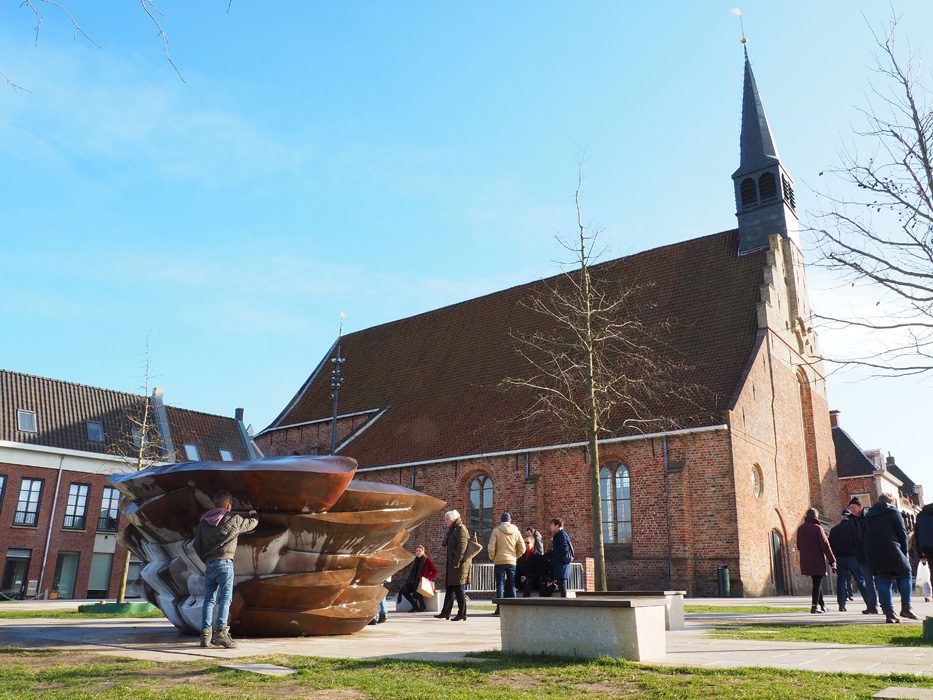
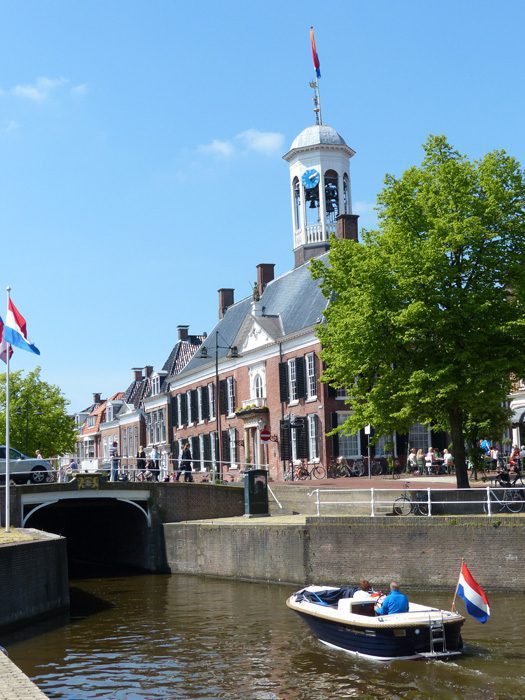
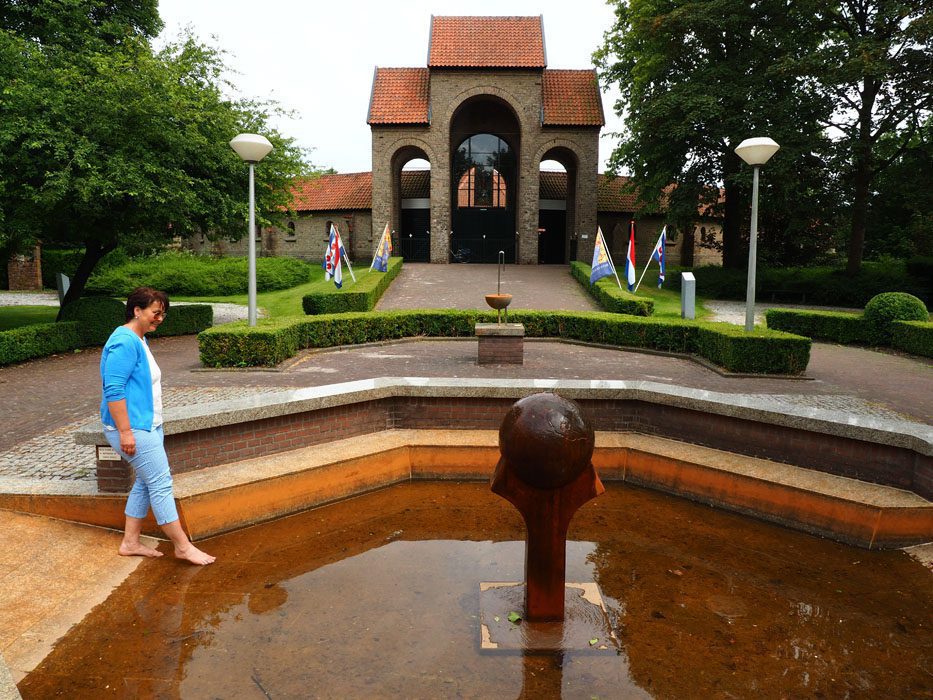
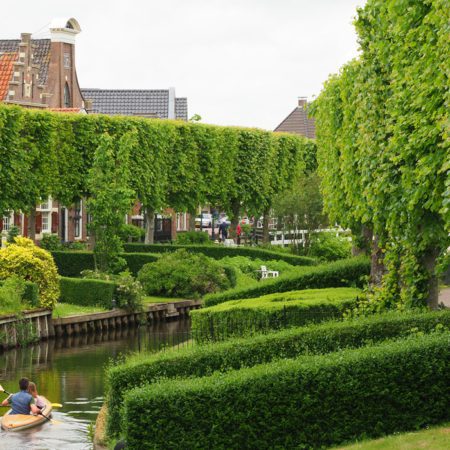
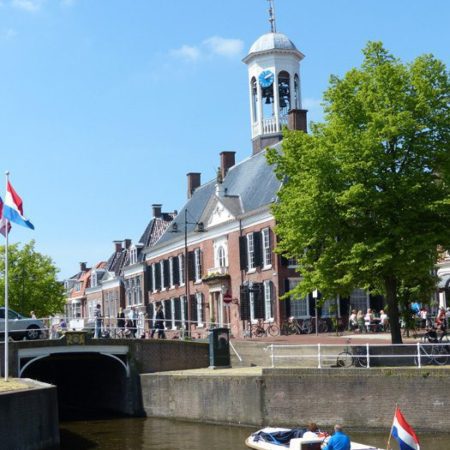
Your journey begins after checking in at your accommodation, located in or near Dokkum. Once checked in, you can start exploring the town that will welcome the King and his family on King’s Day this year. From the Boniface Chapel and the beautiful sluice to the historic city center and city ramparts, Dokkum is ready for your visit!
If you are not staying in Dokkum itself, there will be a cycling stage to the city center. This allows you to visit Dokkum and have dinner there after checking in. After dinner, return to your accommodation and prepare for the start of your cycling tour the next day.
Dinner is at your own expense but can also be arranged if booked as part of the package.
Day 2: Dokkum | Aldtsjerk | Oentsjerk | Ryptsjerk | Leeuwarden (approx. 50 km)
Your first day of cycling takes you through the atmospheric North Frisian landscape toward Leeuwarden. From Dokkum, you cycle via Rinsumageest to Aldtsjerk. A charming anecdote from this village tells of Prince Willem-Alexander as a boy, who once walked into a local bakery to buy an orange cake. The baker’s wife asked him in Frisian, “Wit jim mem dêr wol fan?” – asking if his mother knew, as nothing had been ordered. She had no idea she was speaking to the son of Queen Beatrix.
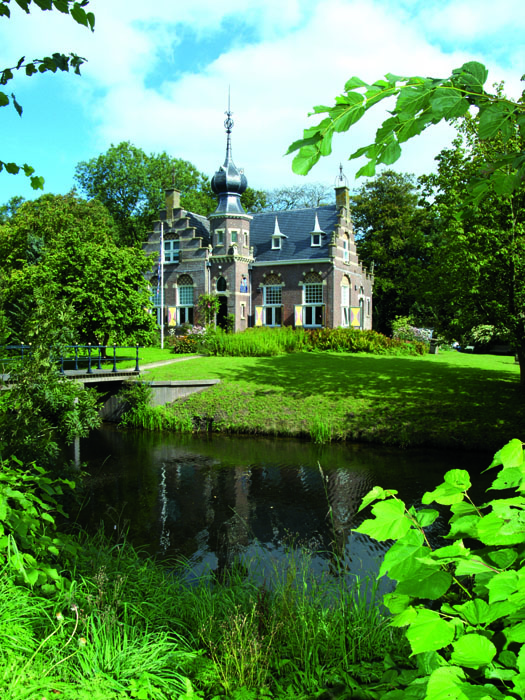
After Aldtsjerk, you reach Stania State, a beautiful estate with stately avenues and an idyllic park. You continue to Park Vijversburg, also known as the “Park of Imagination,” where art, nature, and architecture come together in a unique way.
Following quiet paths, you arrive at the special Eleven Cities Monument, a bridge entirely made up of tiles with portraits of skaters who completed the Elfstedentocht. Among the thousands of faces, you can spot W.A. van Buren, the pseudonym under which King Willem-Alexander himself skated the tour in 1986.
Next, you head to Leeuwarden, Friesland’s capital and former Nassau city. Here you can explore the charming Prinsentuin, originally created for the Frisian stadtholders, and stroll past the Stadhouderlijk Hof, home of the Frisian Nassaus for centuries. Visit the Jacobijnenkerk, where Marijke Meu, aunt of Willem III and a colorful figure in Frisian Nassau history, is buried. Known for her stately estates, family intrigues, and enduring local legends, her grave has an extra touch of mystery: it is said to contain two skulls, possibly due to grave desecration during a 1795 uprising. This is a place where history, legend, and royal drama converge.
Upon arrival in Leeuwarden, you have the opportunity to take the podwalk “De Friese Omweg” at your own pace, with narrator Daan Schuurmans guiding you through the Frisian branch of the House of Orange-Nassau.
Day 3: Leeuwarden | Sneek | Joure (approx. 45 km)
Today, you leave Leeuwarden and cycle south toward Sneek and Heerenveen. The route passes through open Frisian pastures along canals and waterways that have been the lifeblood of this region for centuries.
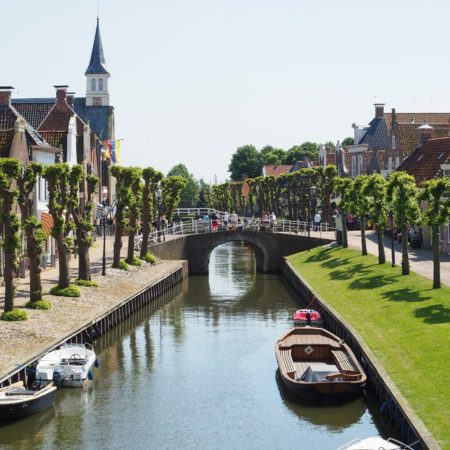
Your first major stop is Sneek, famous for the Waterpoort and its strong connection to Frisian water culture. A lesser-known anecdote: Sneek played a role in the lives of the Frisian stadtholders. In the 17th century, Stadtholder Willem Frederik van Nassau-Dietz oversaw fortifications and waterworks in the region and regularly traveled through Sneek and surrounding towns. His family would later become the line from which the current King descends.
After Sneek, you continue to Joure, where you spend the second night.
Day 4: Joure | Oranjewoud | Beetsterzwaag | Earnewâld (approx. 50 km)
From Joure, you cycle around Heerenveen toward Oranjewoud, passing the Thialf Ice Stadium, where sport and the Royal House have frequently crossed paths. A charming royal anecdote: both King Willem-Alexander and his daughters have regularly skated here, and the King still enjoys it today.
Heerenveen also has historic connections to nobility and estates, such as Oranjewoud, founded in the 17th century by Albertine Agnes, widow of Willem Frederik, and a longtime favorite residence of the Orange family. Here, you can literally experience the “Orange in the landscape.”
From Oranjewoud, continue to Beetsterzwaag, a village that still exudes the grandeur of aristocracy. The wide main street is lined with stately homes and estates, including Harinxma State, which in the 19th century was often visited by nobles and officials traveling between Leeuwarden and the south. This area was famously called “the Friesland of the Frisian nobility.” A perfect place for a stop or a short forest walk. In Beetsterzwaag, you can take a podwalk with Jort Kelder, who shares stories about the village via app and route.
After Beetsterzwaag, the landscape gradually changes: forests give way to open peat meadows, reed beds, and waterways. You cycle toward the heart of De Alde Feanen National Park, one of the Netherlands’ most beautiful and dynamic natural areas, arriving at Earnewâld (Eernewoude), a picturesque water village closely linked to Frisian nature.
A royal note: the area has been visited several times by members of the Royal House, particularly for nature conservation and water management projects.
Day 5: Earnewâld | Dokkum (via Fogelsangh State, approx. 40 km)
Your final day begins in water-rich Earnewâld, in the heart of De Alde Feanen National Park. Leaving the village, you pass reed beds, lakes, and quiet waterways, experiencing Friesland in its purest form: an open landscape where water, sky, and light take center stage—exactly the kind of environment the Royal House has long been connected to through nature and water management.
Continue toward Fogelsangh State, one of Friesland’s oldest and best-preserved estates, with a rich history of noble families closely tied to Frisian governance. While not a direct residence of the Oranges, it has been visited over the centuries by officials, guests, and nobility connected to the Frisian Nassaus. Its impressive avenues and parkland give this stop an almost royal atmosphere—a perfect place to pause, stroll, and enjoy the tranquility.
After visiting the estate, cycle through small Frisian villages and the historic terp landscape. The elevated mounds still testify to centuries of struggle against the water—a theme historically close to King Willem-Alexander’s heart.
The route then leads northward, where the landscape opens up, and you transition from the Frisian forests to the coastal region of Northeast Friesland. Upon returning to your starting point, the tour concludes.